 Home
Home
Two Spanish cities among world’s ten best to live in


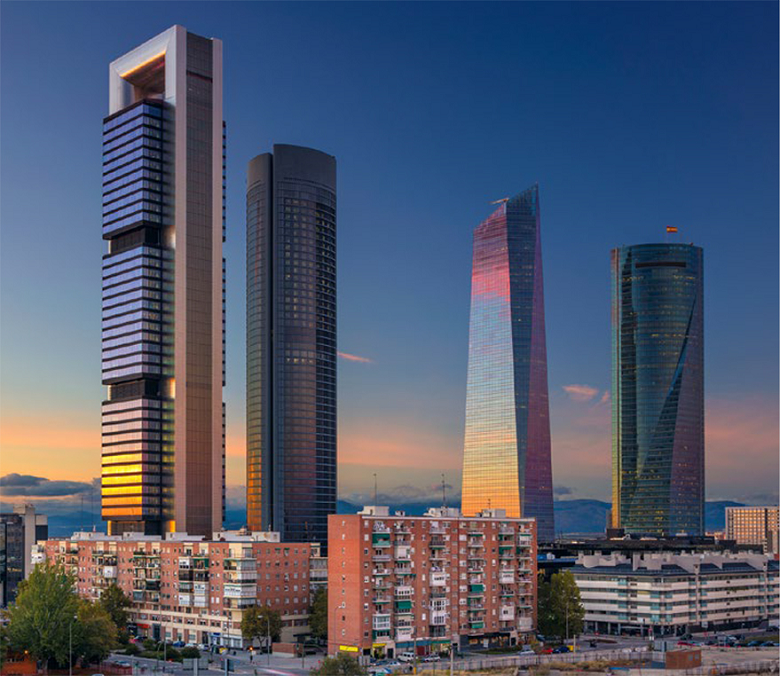
Madrid and Barcelona make Spain the only country to achieve this milestone.
Spain is the only country in the world to have two cities among the ten best to live, work and visit, according to the World's Best Cities 2026 report published by Resonance Consultancy. The study analyses a total of 270 cities with more than one million inhabitants, from which it selects the top 100 best rated by more than 21,000 respondents.
Madrid has moved up two places in this ranking from the previous edition and is now fifth in the world, behind London, New York, Paris and Tokyo. Barcelona completes the top ten, following Singapore, Rome, Dubai and Berlin. Valencia also appears in the top 100, in 72nd place. In the European Union ranking, Madrid is second, Barcelona fifth and Valencia twenty-second.
Madrid and Barcelona stand out strongly in the categories of liveability and attractiveness. In the former, Barcelona ranks sixth and Madrid seventh, while in the latter, the Spanish capital ranks sixth and the Catalan capital seventh.
City projects
In Madrid, and In terms of sustainability, the report highlights the development of the metropolitan forest that is spreading around the city's perimeter, covering more than 75 kilometres and which, when the project is completed, will have more than 450,000 trees. It also points to its cycle lanes, electric buses and, looking to the future, the Madrid Nuevo Norte project, which it describes as the second largest urban regeneration project in Europe.
According to the study, Barcelona is currently prioritising the well-being of its residents and its long-term economic sustainability. The upcoming completion of the Sagrada Familia, scheduled for 2026, will mark, it says, “the culmination of a vision that has survived empires, wars and the very concept of what a city could become”. In the meantime, it is trying to maintain its appeal without losing the qualities that, it says, made it so special.
To reach these conclusions, the report analyses 34 variables grouped into three broad indicators. The category called Livability measures the liveability of cities, with aspects such as public transport, green spaces and air quality. The second indicator, called Lovability, measures the variables that make these cities attractive, such as restaurants, museums and social media posts. Finally, Prosperity studies prosperity based on human capital, with variables such as educational level, unemployment rate and the number of large companies.
Photo: Resonance Consultancy