 Home
Home
Green light for first Statkraft hybrid project in Spain, €45 million investment


It will generate 75 jobs in the construction of 21.6 megawatts of wind power and 16.5 megawatts of solar power in Burgos.
Renewable energy company Statkraft has obtained preliminary administrative authorisation (PAA) and construction authorisation (AAC) for its first hybrid project in Spain, which will be installed in the province of Burgos. The Abrazadilla project, which was already subject to an environmental compatibility assessment, will receive an investment of around €45 million and generate 75 jobs during its construction.
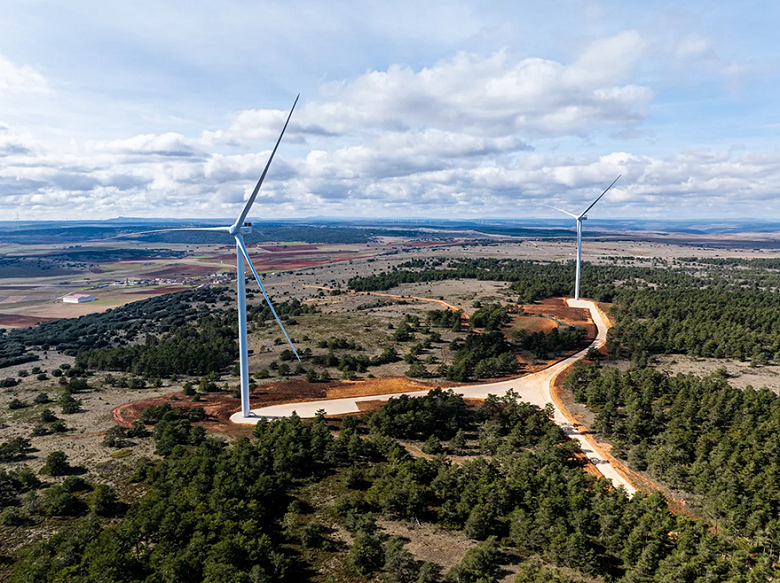
This is the third renewable energy development promoted by the Norwegian company in this province, and the first in Spain to combine wind and solar photovoltaic power, with a total installed capacity of 38.1 megawatts. Spread across the municipalities of Los Ausines, Revilla del Campo, Ibeas de Juarros and Carcedo de Burgos, it will have three wind turbines with an installed capacity of 21.6 megawatts.
More constant and stable electricity supply
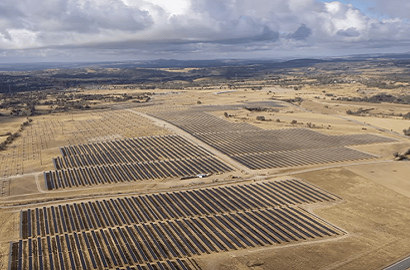
Wind energy will be complemented by 16.5 megawatts of installed solar photovoltaic power. Combining both technologies in the same facility will make better use of natural resources and achieve a more constant and stable electricity supply.
Statkraft's other projects in Burgos are two wind farms that are already in operation, Cernégula and Páramo de Pozas, with a combined installed capacity of 148 megawatts. In Abrazadilla, the company is committed to continuing its policy of protecting the natural environment in which its facilities are located, and of having a positive impact on the region, prioritising local hiring and purchasing from local companies during the construction, operation and maintenance phases.
Environmental measures
The environmental measures to be implemented in this project include improving the habitats of stream banks to benefit the species that inhabit them; creating shelters for pollinators and for the breeding of invertebrates; installing wildlife crossings along the entire perimeter of the fencing; the installation of automatic monitoring devices with automatic shutdown on all wind turbines; the adaptation of wind turbine speed during the hours and dates when chiropterofauna is most active; and the creation of an area for the formation of vegetation stands that serve as a refuge for different species and increase biodiversity in the environment.
Statkraft began operations in Spain in 2018 and has wind and solar projects in operation in Galicia, Navarre, Castile and León, Extremadura, the Valencian Community and Andalusia, as well as a portfolio of projects under development. It currently operates eleven solar plants and seven wind farms in Spain, with a total capacity of 1.4 gigawatts.
Photo: Statkraft