 Home
Home
Spanish science park R&D grows 10% in 2025


Investment rose to €2.333 billion and the recruitment of researchers increased by 7%.
Investment in R&D by the companies and organisations based in Spain’s 53 science and technology parks reached €2.333 billion in 2025, 10% more than in the previous year, according to data released by the Association of Science and Technology Parks of Spain (APTE). These results demonstrate the important role that these environments play in Spain’s business and innovation ecosystem, serving as hubs that connect companies, universities, technology centres, public administration, and specialist talent.
Employment figures were also positive last year, with a total of 189,969 professionals across all parks, a 12.8% increase from 2024. APTE highlights that, 45,092 people from this total are engaged in R&D activities, representing a 7% increase on the previous year. This innovative activity resulted in 597 patents granted, an 11% increase, and 502 patent applications filed, a 9% increase.
Foreign investment
Last year, APTE recorded 1,818 new companies, a 121% increase on the previous year: 329 were founded in the parks, representing a 46% increase, while another 1,489 existing companies established operations there, marking a 149% increase. By the end of 2025, APTE member parks were home to a total of 6,282 companies and organisations, 480 of them foreign-owned (up 22%) and 1,071 in incubation (up 31%).
According to APTE, the published figures reflect the positive development of these innovation ecosystems, their contribution to economic growth, the creation of skilled jobs and the boost they provide to R&D in Spain. These figures, together with turnover that grew by 22% to reach €38.597 billion, demonstrate the parks’ ability to attract innovative activity and establish themselves as strategic spaces for a competitive production base.
ICT sector dominance
In terms of activity, the association highlights industry diversity as one of the parks’ key strengths. The industries most widely represented are information, IT and telecommunications, which together account for 23.6% of activity. They are followed by engineering, consultancy and advisory services, with 18.9%, and medicine and health with 8.3%. Further down the ranking are agri-food and biotechnology with 6.1%; industry with 5.4%; energy and the environment with 5.1%; and technology centres and R&D, with 4.5%.
Finally, APTE’s data highlight gender diversity, indicating that across the 40 parks that have provided information in this regard, 772 companies and organisations, or 18%, are led by women. In 39 of these parks, 1,321 companies and organisations, or 31.5%, have equality plans in place.
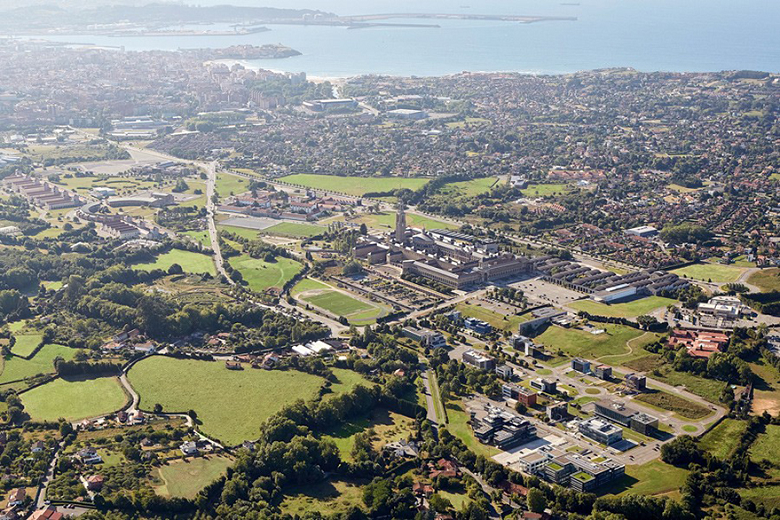
Photo: Association of Science and Technology Parks of Spain