 Home
IQM Quantum Computers to install Madrid’s first quantum computer


In partnership with Telefónica, it will provide access to researchers, students and industry to drive the development of industrial use cases.
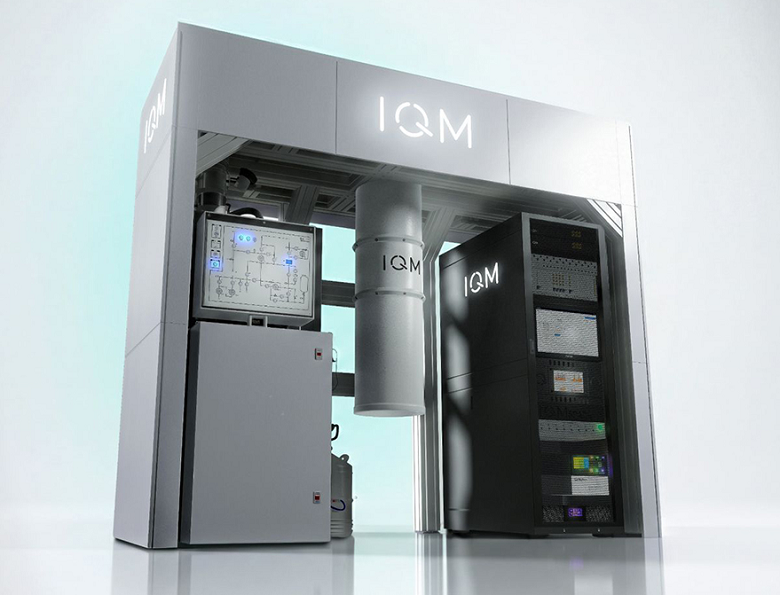
Finnish company IQM Quantum Computers, which specialises in superconducting quantum computing, will work with Telefónica to install the first quantum computer in the Community of Madrid before the end of this year. Located at the Polytechnic University of Madrid, the IQM Spark is an all-in-one quantum computer designed for research, education and early-stage development.
The installation of the new quantum computer will give researchers, students and industry across the region hands-on access to drive the development of industrial use cases. In doing so, it will help create a quantum ecosystem that brings together all stakeholders involved in developing real-world use cases that deliver direct benefits to local industry.
This is the third quantum computer installed by IQM and Telefónica in Spain, following the two already brought into operation at the Galician Supercomputing Centre (Cesga). Access to this equipment will enable Madrid’s universities, hospitals, research centres and start-ups to develop and test algorithms, gain experience to explore future use cases and lay the foundations for a quantum ecosystem that attracts talent and delivers real benefits to local industry.
Real-world challenges
Jan Goetz, Chief Executive Officer and co-founder of IQM Quantum Computers, explains that the new quantum equipment will be used to create “an infrastructure that will enable its researchers, students and industries to expand their capabilities over the long term. Quantum computing delivers real value when it moves beyond laboratory settings and directly into the hands of those working closest to the real-world challenges this technology can help solve”.
For his part, Borja Ochoa, Non-Executive Chairman of Telefónica España and Business-to-Business (B2B) Director, highlights the benefits of quantum technologies “for encrypting and protecting critical data in particularly sensitive sectors, such as healthcare and security; and now also through the research opportunities offered by quantum computing”.
Photo: IQM Quantum Computers